

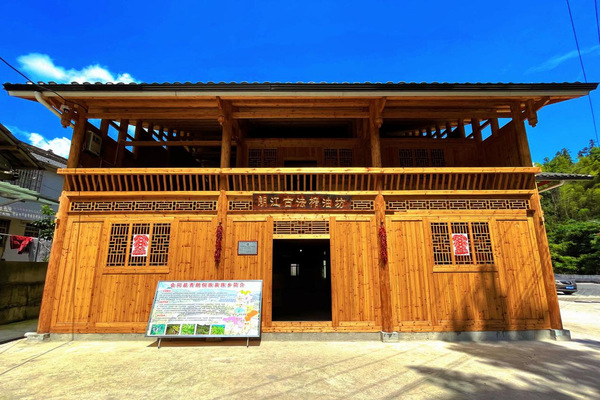
As the first ray of sunlight in winner morning passed through the ancient camphor tree at the entrance of Langjiang Village, Qinglang Dong and Miao Ethnic Township, Huitong County, a deep and rhythmic thumping sound came from the renovated century-old traditional oil mill — “Dong—Dong—Dong—”. The sound was as steady and powerful as the heartbeat of the village.
Inside the mill, steam rose and the fragrance of oil filled the air. The veteran masters, chanting bold work songs, pushed a huge ramming hammerto strike the wooden wedgesprecisely. With each heavy strike, golden camellia oil seeped from the press, like flowing amber, quietly awaiting the final purification of its pristine aroma.
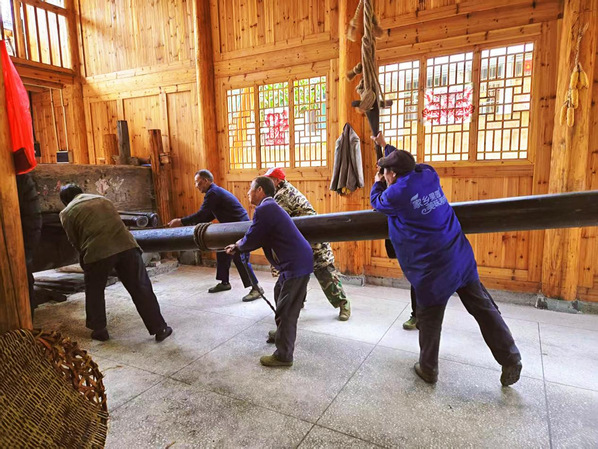
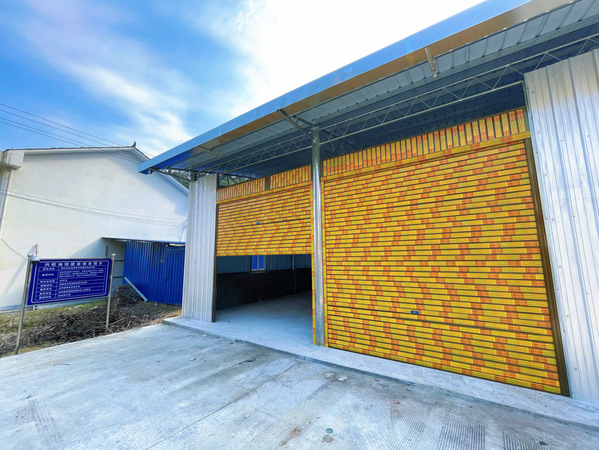
As an intangible cultural heritage in the local area, this traditional oil pressing technique holds the nostalgic memories of several generations and has even been featured on a well-known television program. However, it had fallen into silence due to outdated facilities and cramped space. To preserve this ancient technique and revitalize the village’s industry, our college’s village-based task team actively coordinated efforts and raised funds to initiate an upgrade and renovation project for the mill. Not only was the main production area of the mill upgraded, but a new standardized storage warehouse was also constructed.
“In the past, the pressing area was small and conditions were poor. Now, with this new warehouse, which maintains constant temperature and humidity, raw materials and finished products are stored in separate areas, and we no longer have to worry about storage. The supporting teamhave also helped expand sales channels through consumer assistance. They helped sell our ‘old flavor’ farther!” said Song Xiangui, a village cadre of Langjiang Village, pointing to the brand-new warehouse not far away with delight.
Meanwhile, the village-based task team has fully leveraged their media expertise. They delved into local ethnic characteristics, oil tea culture, and intangible cultural heritage, and designed the mill’s interior displays and product packaging, thereby illuminating the profound cultural value of this century-old oil mill. Today, the mill has become one of the liveliest places in the village. It is not only a production base but also a “social media hotspot” for those seeking a taste of nostalgia.
The rebirth of the ancient mill, along with equipment upgrades, has brought tangible benefits. A representative of the village-based task team said, “We hope that this thumping sound is not only an echo of the passing down of craftsmanshipbut also the drumbeat of rural industrial revitalization.” Next, building on the improvement of the industrial chain, efforts will focus on two key areas: “building a superior brand” and “extending the value chain”. We will actively explore leisure economy models such as study tours, weekend entertainment, and agricultural experiences,to promote the deep integration of agriculture, culture, and tourism.
As the sun sets, the ancient village is once again enveloped in the rich fragrance of oil. The steady thumping is no longer merely the sound of oil pressing; it has become a hopeful new melody, resounding amid the green hills and clear waters of Langjiang Village, with a lingering and enduring rhythm.

