

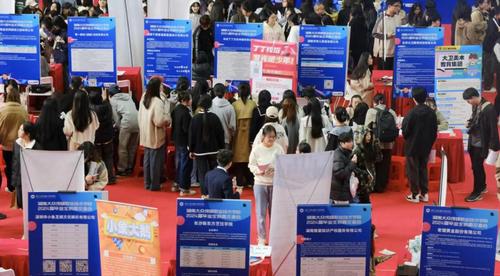
On November 15th, HNMMC hosted the Autumn Supply and Demand Meeting for the 2024 graduates with great enthusiasm. The event included an opening ceremony, an employment-themed forum, supply and demand meetings, company presentations, and entrepreneur lectures, aiming to help students understand the current employment situation and changes in the workplace. The event served as a bridge between students and employers, facilitating the final step from "campus to workplace".
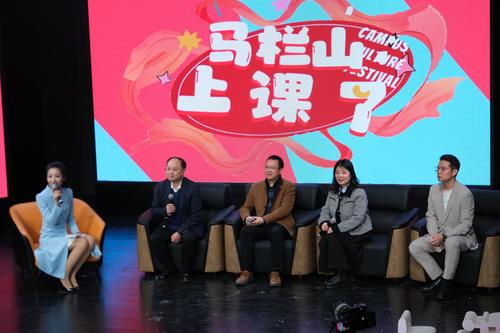
The opening ceremony took place at the Dream Theater in the college's Art Building, with the presence of leaders and guests, including Zhong Qiuming, Director of the Student Information Consultation and Employment Guidance Center of Colleges and Universities of Hunan Province, Tian Yuping, Vice President of NetEase Youdao, HNMMC’s President He Zhanbing, Deputy Party Secretary Xie Jingwei, Vice President Lei Junlin, Discipline Inspection Secretary Yang Jinhui, and Vice President Shen Jianfei.
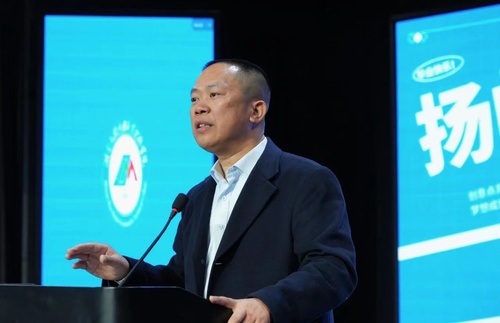
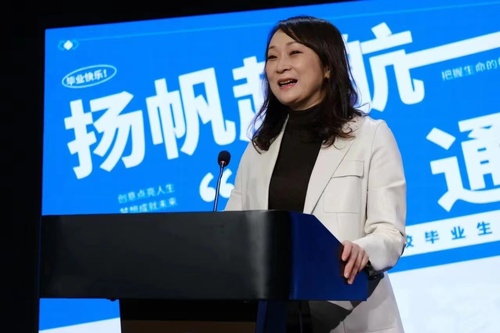
During the opening ceremony, Vice President Lei Junlin delivered a speech on behalf of the college, extending a warm welcome and sincere thanks to the leaders, guests, and employers participating in the event. He encouraged graduates to actively seek opportunities, break through barriers, and demonstrate their capabilities in the dynamic practical environment.
Director Zhong Qiuming of the Student Information Consultation and Employment Guidance Center of Colleges and Universities of Hunan Province delivered a speech, giving full affirmation to HNMMC's employment and entrepreneurship efforts, and expressing high praise for the achievements made. He pointed out that the current employment of college students still faces many difficulties and challenges. Colleges and Universities must actively adapt to new development stages, implement new development concepts, serve the new development pattern, coordinate multiple efforts, take multiple measures, and make concerted efforts to fully promote higher quality and more comprehensive employment for college graduates.
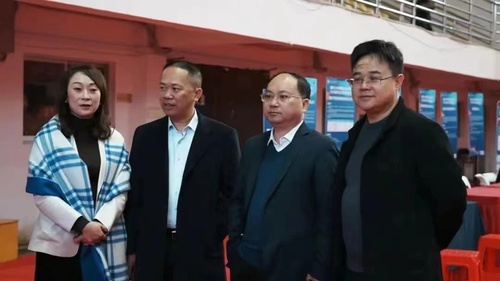
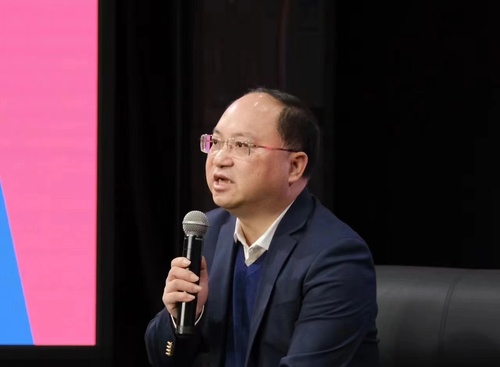
At the opening ceremony, leaders, guests, representatives from enterprises, and graduates gathered to watch the thematic forum on "Employment Transformation in the Era of Artificial Intelligence: Opportunities and Challenges". President He Zhanbing, Vice President of NetEase Youdao, Mr. Tian Yuping, Founder of Hunan Dongjin Cultural Development Co., Ltd., our 2013 graduate in Film and Television Directing, Zou Rong, and 2014 graduate in Hosting and Broadcasting, Xiao Chutian, along with co-founder of XKA Luxury Shopping Platform, engaged in an in-depth discussion on the impact and transformation brought about by the development of artificial intelligence technology on the media industry, and how colleges and universities can respond to the challenges posed by the impact of AI on the employment of graduates. President He expressed that the development of artificial intelligence technology, especially in AIGC, will fundamentally change the operation and employment structure of the media industry, placing higher demands on talent development in colleges and universities. Colleges and universities should pay more attention to cultivating skills that intelligent machines cannot replace, emphasize the comprehensive and high-quality development of students, and meet the lifelong development needs of students. Firstly, in terms of major design, colleges and universities should closely follow the industry's development trends, align more with the talent needs of an intelligent society, adjust relevant majors based on this information, and timely adapt talent development models. Secondly, in terms of teaching content and methods, there should be a focus on interdisciplinary and innovative approaches, integrating AIGC technology organically into course design to help students understand and master the application of AI technology in the field of media, thereby enhancing their overall qualifications and competitiveness in employment. Thirdly, colleges and universities should actively explore new forms of industry-education integration through innovative college-enterprise collaboration models. By introducing the technological capabilities and industrial resources of enterprises in the fields of digital media, big data, e-commerce, and artificial intelligence, a deeper integration between colleges and industries can be achieved. This aims to provide students with talent development plans and course modules closer to the actual market demands, empower the improvement of college faculty capabilities, and facilitates joint efforts between colleges and enterprises to promote talent development, employment and entrepreneurship.
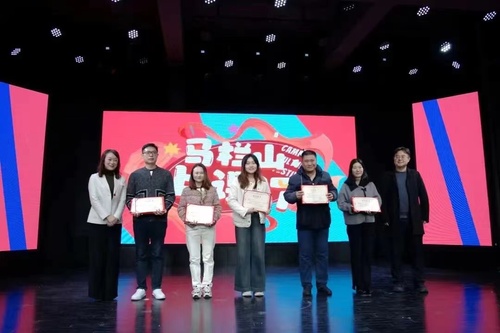
At the end of the opening ceremony, awards were presented to outstanding collectives and individuals for their achievements in the employment of the 2023 graduates.
The supply and demand meeting took place in the gymnasium. The event attracted 170 participating companies offering over 12,000 job positions, covering various industries such as culture and entertainment, information technology, wholesale and retail, finance, and manufacturing. The atmosphere was lively, with students actively engaging with recruiters, showcasing their resumes, and expressing their aspirations. Employers expressed satisfaction with the high overall quality, solid professional foundation, and strong communication skills of the graduates. NetEase Youdao Information Technology (Hangzhou) Co., Ltd. immediately reached employment intentions with 16 graduates majoring in film and animation, and animation design.
Employment is the cornerstone of people's livelihood and the foundation of development. HNMMC will continue to intensify its efforts, seizing the autumn recruitment season, and providing an efficient and high-quality communication platform for both graduates and employers. The goal is to facilitate a "two-way journey" between industries and talents, ensuring the high-quality and ample employment of the 2024 graduates.

